
Egg & Embryo Freezing
Preserving Fertility Options for the Future
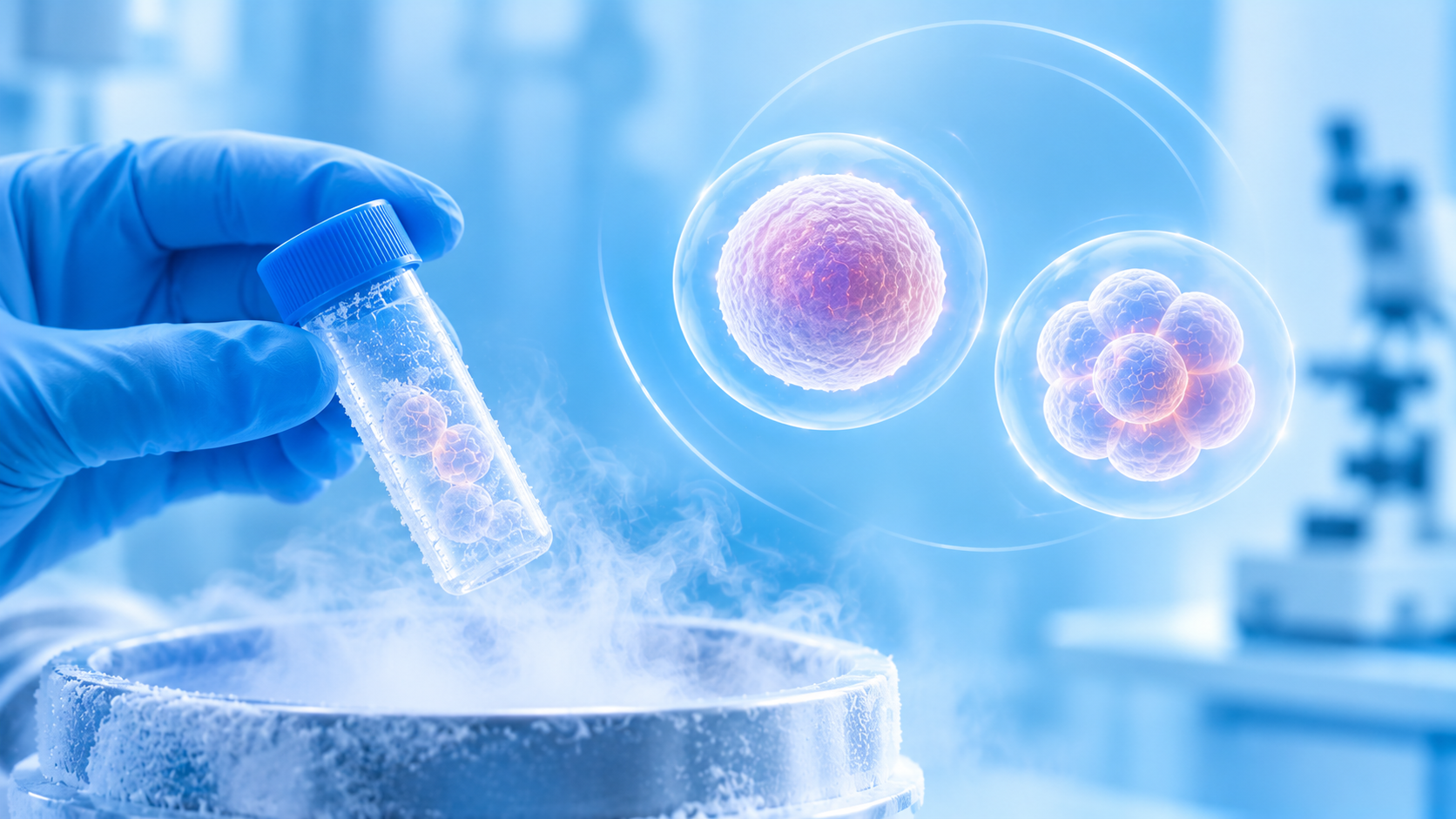
Egg and Embryo Freezing are fertility preservation techniques that allow individuals or couples to preserve reproductive cells or embryos for potential future use. Egg freezing involves collecting and freezing unfertilised eggs, while embryo freezing involves fertilising eggs with sperm and preserving the resulting embryos.
At EthosMedi, fertility preservation planning is based on individual reproductive goals, medical history, age, and clinical suitability. A fertility specialist can explain the available options, the process involved, and factors that may influence future treatment outcomes.
Who May Consider Fertility Preservation
Egg or embryo freezing may be considered by individuals or couples who:
Wish to preserve fertility for future family planning.
Are preparing for medical treatments that may affect fertility.
Want to delay pregnancy for personal or medical reasons.
Have surplus embryos following an IVF cycle that may be suitable for freezing.
Our Fertility Preservation Approach
Initial Assessment: Reviewing reproductive health, medical history, and fertility goals.
Ovarian Stimulation: Using prescribed medication when required to support egg development.
Egg Retrieval: Collecting mature eggs through a planned medical procedure.
Freezing and Storage: Preserving eggs or suitable embryos using established laboratory techniques.
Future Treatment Planning: Discussing the possible use of stored eggs or embryos when the individual is ready for fertility treatment.
Egg Freezing vs. Embryo Freezing
Egg freezing preserves unfertilised eggs for potential future fertilisation. Embryo freezing involves fertilising eggs with sperm before freezing the resulting embryos. The most suitable option depends on individual circumstances, preferences, and specialist advice.
Personalised Fertility Guidance
Fertility preservation decisions require careful consideration of medical, emotional, and practical factors. A specialist consultation can help you understand the process, limitations, storage considerations, and potential future options.