
Bone Marrow Transplant (BMT)

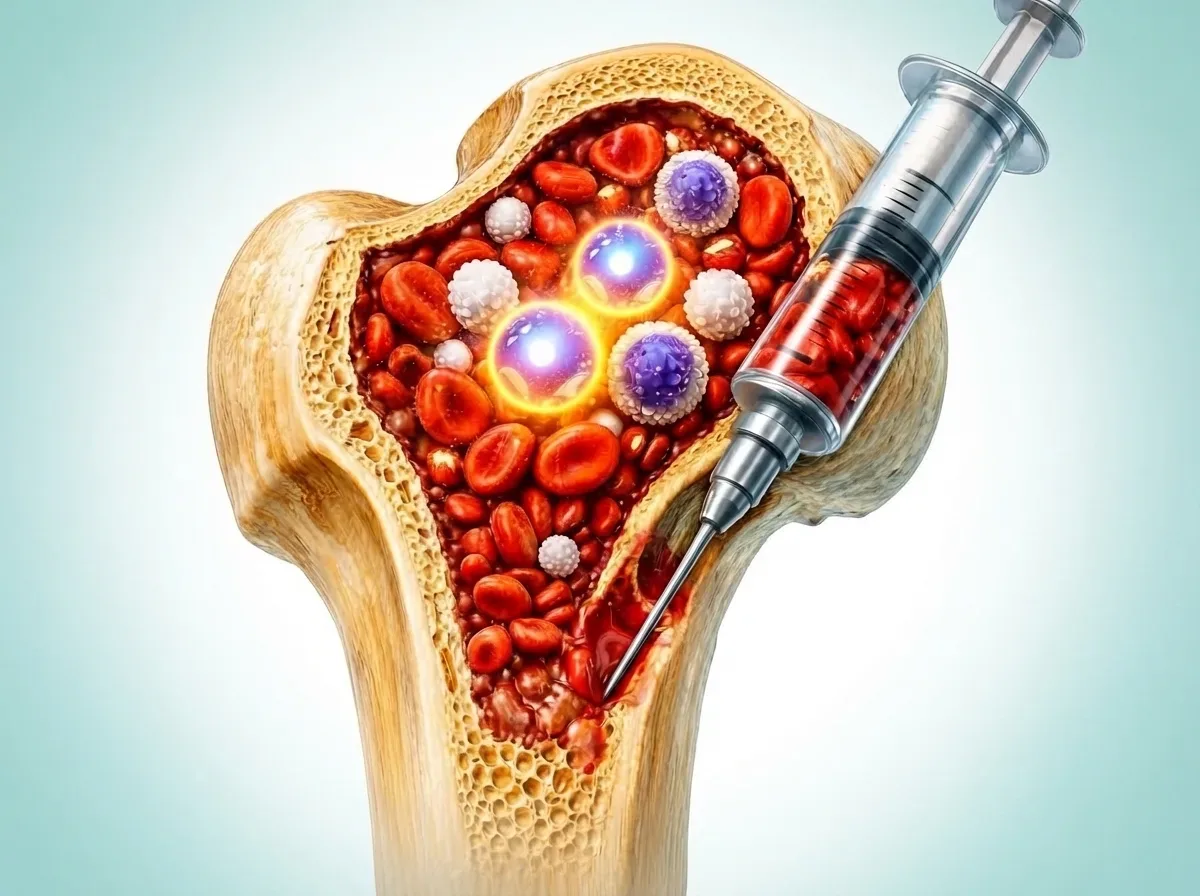
Bone marrow is the soft, spongy tissue inside bones that produces red blood cells, white blood cells and platelets. When disease, an inherited disorder or intensive cancer treatment damages the marrow, the body can no longer make healthy blood.
About Bone Marrow Transplant (BMT)
Bone Marrow Transplant (BMT)
Bone marrow is the soft, spongy tissue inside bones that produces red blood cells, white blood cells and platelets. When disease, an inherited disorder or intensive cancer treatment damages the marrow, the body can no longer make healthy blood.
A Bone Marrow Transplant (BMT), also called a stem cell transplant, replaces the diseased or damaged marrow with healthy blood-forming stem cells. These cells settle in the bone marrow and begin producing new, healthy blood. For many blood cancers and inherited blood disorders, BMT offers the best chance of long-term remission or a permanent cure.
Types of Bone Marrow Transplant
Types of Stem Cell Transplantation
Type | Source of Stem Cells | Best Suited For |
|---|---|---|
Autologous | The patient’s own cells, collected and frozen before high-dose chemotherapy | Multiple myeloma, relapsed lymphoma |
Allogeneic | A healthy donor whose tissue type (HLA) matches the patient’s | Leukemia, MDS, aplastic anemia, thalassemia |
Matched Related (Sibling) | A fully matched brother or sister | The preferred donor when one is available |
Matched Unrelated (MUD) | A volunteer donor found through national or international registries | Patients without a matched sibling |
Haploidentical (Half-Matched) | A parent, child, or sibling who is a 50% match | When no fully matched donor is available, widening access to almost every patient |
Cord Blood | Stem cells from donated umbilical cord blood | Children and patients with rare tissue types |
Stem cell sources
Doctors collect stem cells from the bone marrow (taken from the hip bone), from peripheral blood (the most common source, collected through a vein) or from umbilical cord blood.
Diseases Treated with Bone Marrow Transplant
Blood Cancers
Leukemia : Acute myeloid (AML), acute lymphoblastic (ALL) and chronic myeloid (CML) leukemia
Lymphoma : Hodgkin and non-Hodgkin lymphoma, especially relapsed or resistant cases
Multiple Myeloma : Autologous BMT is a standard part of treatment
Myelodysplastic Syndromes (MDS) : BMT is the only potentially curative option
Myeloproliferative Neoplasms (MPN) : Advanced myelofibrosis and related disorders
Non-Cancerous & Inherited Disorders
Thalassemia Major : A curative alternative to lifelong blood transfusions
Sickle Cell Disease : Can eliminate pain crises and organ damage
Aplastic Anemia & Fanconi Anemia : Restores a failing bone marrow
Primary Immune Deficiencies : Such as Severe Combined Immunodeficiency (SCID)
Inherited Metabolic Disorders : Selected rare conditions such as Hurler syndrome and adrenoleukodystrophy
The BMT Process - Step by Step
Evaluation : Blood tests, heart and lung checks, and HLA typing to find a suitable donor.
Stem cell collection : Cells are harvested from the patient (autologous) or the donor (allogeneic).
Conditioning : High-dose chemotherapy, sometimes with radiation, clears the diseased marrow and prepares the body.
Transplant (Day 0) : Stem cells are given through an IV drip, much like a blood transfusion. No surgery is involved.
Engraftment : Within 2–4 weeks, the new cells begin producing healthy blood.
Recovery & follow-up : Close monitoring for infection, blood counts and complications.
Possible Risks
Infections, while immunity is low
Graft versus Host Disease (GVHD), in allogeneic transplants, when donor cells attack the patient's body
Graft failure, which is rare
Side effects of chemotherapy, such as mouth sores, nausea and fatigue
Experienced transplant teams, HEPA-filtered isolation rooms and modern preventive medicines greatly reduce these risks.
Recovery Timeline
Phase | Duration |
|---|---|
Hospital stay | 3–5 weeks |
Recommended stay near the hospital | 2–3 months (autologous: about 1 month) |
Immune system recovery | 6–12 months |
Return to normal routine | 6–12 months for most patients |
Why Choose India for Bone Marrow Transplant?
Large haploidentical expertise: Indian centres are leaders in half-matched transplants, so nearly every patient can find a donor within the family.
Strong outcomes in thalassemia and aplastic anemia, built on decades of experience
JCI- and NABH-accredited transplant units with HEPA-filtered isolation rooms
Cost savings of 70–90% compared with the USA and UK
Rapid scheduling, with no long waiting lists
Sub-Specialties under Bone Marrow Transplant (BMT)
Frequently Asked Questions
Donor selection involves human leukocyte antigen (HLA) testing to assess tissue compatibility. Potential donors may include siblings, other family members, or unrelated volunteers registered with donor registries. The transplant team determines the most appropriate option based on compatibility and clinical factors.
Initial blood cell recovery often takes several weeks, but overall recovery can take months. Immune system recovery may take six to twelve months or longer, particularly after an allogeneic transplant. Follow-up appointments, infection precautions, and medication management remain important throughout recovery.
You can share your medical reports, diagnosis, blood test results, and previous treatment records for an initial review. The appropriate transplant approach, donor evaluation, estimated treatment costs, and expected duration of stay depend on the specialist's assessment and the services available at the treating centre.