
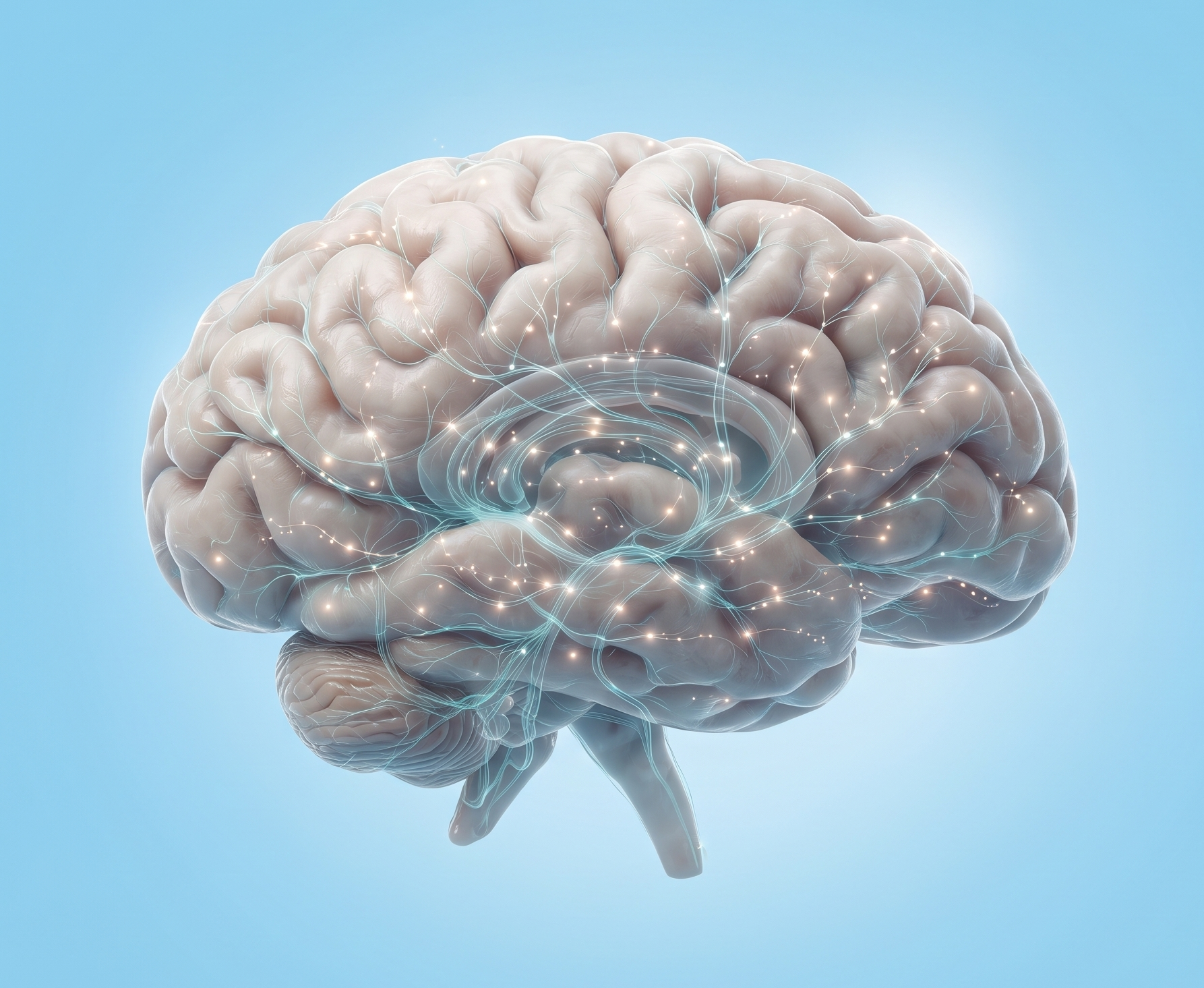
Epilepsy & Seizure Disorders

Epilepsy & Seizure Disorders focuses on diagnosing and managing recurrent seizures and conditions affecting the brain's electrical activity. Our approach combines careful neurological evaluation, appropriate treatment planning, and ongoing monitoring to help improve seizure control and support long-term well-being.
About Epilepsy & Seizure Disorders
Epilepsy & Seizure Disorders
Epilepsy is a neurological condition characterized by a tendency to experience recurring seizures due to unusual electrical activity in the brain. Seizures can affect awareness, movement, sensation, or behavior, and symptoms vary widely from person to person. A single seizure does not automatically mean a person has epilepsy, making a proper medical evaluation essential.
Types of Epilepsy & Seizure Disorders
Seizures are classified based on where they originate in the brain and how they affect awareness and movement:
Focal Seizures: Originating in one specific part of the brain, these may cause unusual sensations, repetitive movements, or alterations in awareness.
Generalized Seizures: Involving both sides of the brain, these can cause a loss of awareness, muscle stiffening, or involuntary movements.
Absence Seizures: Typically characterized by brief episodes of staring or momentary loss of awareness, these are more commonly observed in children.
Recurrent Seizure Disorders: Frequent seizures that require a detailed clinical assessment to identify underlying conditions and determine appropriate long-term management.
Diagnosis and Treatment Options
An accurate diagnosis begins with a thorough review of the patient's symptoms, medical history, and detailed descriptions of the seizure episodes. Clinical investigations may include:
Electroencephalogram (EEG)
Brain Imaging (such as an MRI)
Blood Tests (when clinically indicated)
Treatment commonly involves anti-seizure medications selected specifically for the seizure type and patient profile. For patients whose seizures remain uncontrolled despite appropriate medication, evaluations for advanced options—such as epilepsy surgery or specialized device-based therapies—may be considered.
Long-Term Care and Management
Regular Follow-ups: Routine medical check-ups help assess seizure control, evaluate medication efficacy, and monitor potential side effects.
Lifestyle & Trigger Management: Maintaining a consistent sleep routine, adhering strictly to prescribed medications, and identifying individual seizure triggers play a vital role in ongoing management.
When to Seek Urgent Medical Attention
Seek immediate medical care if you experience:
A seizure lasting for five minutes or longer.
Repeated seizures occurring without full recovery in between.
A first-ever severe seizure.
At EthosMedi, patients can access reliable information on epilepsy and seizure disorders, emphasizing the importance of specialist evaluations, targeted treatments, and continuous neurological care.
Understanding your seizure patterns and receiving expert care empowers individuals to manage epilepsy effectively and work toward an enhanced quality of life.