
Oncology

Oncology is the medical specialty dedicated to the prevention, diagnosis, and treatment of cancer and other abnormal growths. Comprehensive cancer care combines accurate diagnosis, advanced investigations, personalized treatment planning, and coordinated multidisciplinary care.
About Oncology
Comprehensive Oncology Care
with a Focus on the Individual
A cancer diagnosis can bring uncertainty for patients and their families. Understanding the disease, confirming the diagnosis, identifying its stage, and knowing which treatment options are appropriate are important steps in planning care.
As oncologists, our approach begins with understanding the individual behind the diagnosis. Cancer is not one disease, and two patients with the same type of cancer may require very different treatment strategies depending on the location and stage of the disease, tumour biology, genetic characteristics, age, overall health, and previous treatment.
Oncology is the medical specialty concerned with the prevention, diagnosis, evaluation, treatment, and follow-up of cancer. Modern cancer care may involve surgery, chemotherapy, radiation therapy, targeted therapy, immunotherapy, hormonal treatment, cellular therapies, or a combination of these approaches.
At Ethosmedi, we help patients navigate the complex cancer-care journey by facilitating access to specialist consultations, diagnostic evaluation, treatment planning, advanced therapies, and ongoing medical support.
Types of Cancer & Conditions Managed
Oncology encompasses a broad range of cancers and tumour-related conditions affecting different organs and systems of the body.
Breast Cancer
Breast cancer develops from abnormal cells within breast tissue. Evaluation may involve imaging, biopsy, pathological assessment, molecular testing, and staging before treatment is planned.
Treatment can include surgery, chemotherapy, radiation therapy, hormonal therapy, targeted therapy, or other systemic treatments depending on the cancer characteristics.
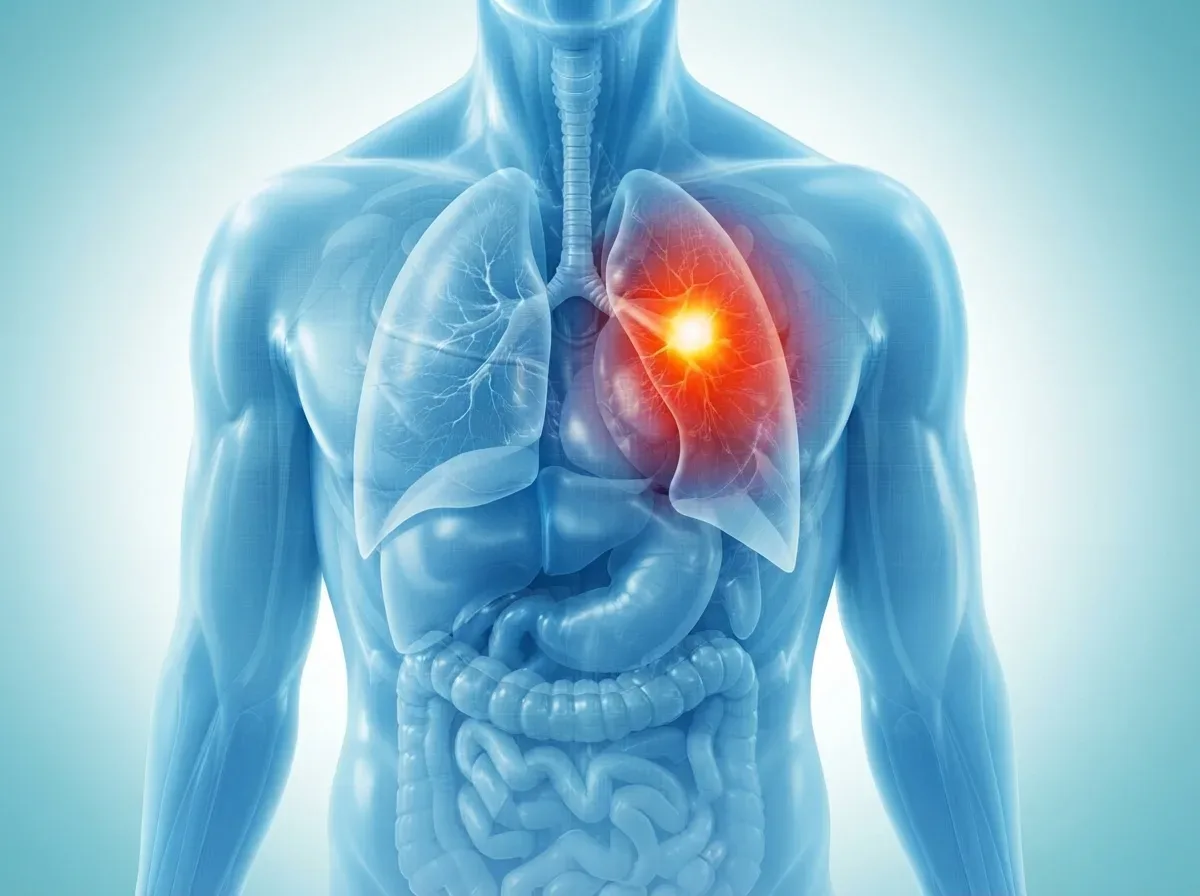
Lung Cancer
Lung cancer may originate in the lung tissue or airways and can be broadly classified into small-cell and non-small-cell lung cancers.
Diagnosis may involve imaging, bronchoscopy, biopsy, molecular testing, and staging. Treatment may include surgery, chemotherapy, radiation therapy, targeted therapy, immunotherapy, or combinations of these.
Gastrointestinal Cancers
This group includes cancers affecting the :
Esophagus
Stomach
Small intestine
Colon
Rectum
Pancreas
Liver
Bile ducts
Gallbladder
Treatment depends on the location, stage, tumour characteristics, and overall health of the patient.
Head & Neck Cancers
Head and neck cancers may affect areas such as the oral cavity, throat, larynx, nasal cavity, and other structures of the head and neck.
Care may involve surgery, radiation therapy, chemotherapy, targeted therapy, immunotherapy, or combined treatment.
Blood Cancers
Haematological cancers affect blood-forming tissues and the immune or lymphatic system. Major categories include :
Leukemia
Lymphoma
Multiple Myeloma
Myelodysplastic disorders
Myeloproliferative disorders
Some blood cancers may require specialized treatments such as stem cell transplantation or bone marrow transplantation (BMT).
Brain & Central Nervous System Tumours
Tumors affecting the brain, spinal cord, and other parts of the central nervous system require specialized neurological, neurosurgical, radiation, and oncology assessment.
Treatment may involve surgery, radiation therapy, chemotherapy, targeted treatment, or a combination depending on the tumor type and location.
Gynaecological Cancers
These include cancers affecting the :
Ovary
Uterus
Cervix
Endometrium
Vagina
Vulva
Management may involve gynaecologic oncology surgery, chemotherapy, radiation therapy, targeted treatment, or immunotherapy.
Urological & Genitourinary Cancers
Oncology care may include cancers involving the:
Kidney
Urinary bladder
Prostate
Testicles
Ureter
Other parts of the urinary and reproductive systems
Treatment is determined by the cancer type, stage, pathology, and patient's overall health.
Bone & Soft Tissue Tumors
Bone and soft tissue tumors can develop in muscles, connective tissue, fat, nerves, blood vessels, or bone.
These include various types of Sarcomas and other tumors requiring specialized evaluation and multidisciplinary management.
Skin Cancers
Skin cancers include several different tumor types, ranging from common forms such as basal cell and squamous cell carcinoma to melanoma and other less common skin malignancies.
Early assessment of suspicious skin lesions can help determine the need for biopsy and further treatment.
Paediatric/ Pediatric Cancers
Children can develop cancers that differ significantly from those commonly seen in adults. Pediatric oncology provides specialized care for childhood cancers such as :
Childhood leukemia
Lymphoma
Brain and spinal tumors
Neuroblastoma
Wilms tumor
Bone tumors
Soft tissue sarcomas
Other childhood malignancies
Treatment requires consideration of the child's age, development, disease characteristics, and long-term wellbeing.
Lymphoma
Lymphoma is a cancer involving the lymphatic system and is broadly classified into Hodgkin lymphoma and non-Hodgkin lymphoma.
Symptoms can include enlarged lymph nodes, unexplained fever, night sweats, weight loss, fatigue, or persistent itching, although these symptoms can also occur with other conditions.
Diagnosis may involve blood tests, imaging, lymph-node biopsy, bone marrow evaluation, and other specialised investigations.
Treatment depends on the specific type and stage and may include chemotherapy, immunotherapy, targeted therapy, radiation therapy, stem cell transplantation, or combinations of treatments.
Tumors & Abnormal Growths
Not every lump or abnormal growth is cancer.
Conditions such as lipoma, for example, are generally benign growths composed primarily of fatty tissue and are not considered cancer. However, a new, growing, painful, unusually firm, or otherwise concerning lump should be medically evaluated rather than assumed to be harmless.
Depending on the clinical findings, evaluation may include imaging, biopsy, or surgical assessment.
This distinction is important because accurate diagnosis is the foundation of appropriate treatment.
Cancer Diagnosis & Investigations
A cancer diagnosis usually requires more than a single test. The diagnostic process is tailored to the suspected disease and may include several investigations.
Blood Tests
Blood investigations can provide information about general health, organ function, blood-cell counts, tumour-related markers, and other parameters relevant to diagnosis and treatment.
Imaging
Depending on the suspected cancer, imaging may include:
Ultrasound
X-ray
CT scan
MRI
PET-CT
Bone scan
Other specialised imaging
Biopsy
A biopsy involves obtaining a tissue or cell sample for laboratory examination. Pathological analysis helps establish the nature of an abnormal growth and, in many cancers, provides information that guides treatment selection.
Histopathology
Histopathology examines tissue under a microscope to identify the type and characteristics of a tumour.
Immunohistochemistry
Immunohistochemistry uses specific markers to identify proteins within tumour cells. It can help classify certain cancers and support treatment decisions.
Molecular & Genetic Testing
Modern oncology increasingly uses molecular testing to identify genetic or biological characteristics of a tumour. Certain findings may help determine whether targeted therapies or other specialised treatments are appropriate.
Cancer Staging
Staging determines the extent of cancer within the body. It may involve imaging, pathology, laboratory investigations, and other tests.
Understanding the stage helps the oncology team develop an appropriate treatment strategy.
Medical Oncology
Medical oncology focuses primarily on the use of medicines to treat cancer.
Depending on the diagnosis, treatment may include :
Chemotherapy
Chemotherapy uses medicines designed to destroy or control cancer cells. It may be administered intravenously, orally, or through other routes depending on the treatment protocol.
Immunotherapy
Immunotherapy works by helping the body's immune system recognise and respond to cancer cells. It has become an important treatment option for selected cancers.
Targeted Therapy
Targeted therapies are designed to act on specific molecular or biological features associated with certain cancers.
Hormonal Therapy
Some cancers depend on hormones for their growth. Hormonal or endocrine therapy may be used to reduce or block this hormonal influence.
Supportive & Palliative Care
Supportive care aims to manage symptoms and treatment-related effects while helping patients maintain comfort and quality of life.
Palliative care can be provided alongside cancer treatment and is focused on symptom management, comfort, communication, and support for patients and families.
Surgical Oncology
Surgical oncology involves the surgical management of cancer and may be used to remove a tumour, obtain tissue for diagnosis, reduce disease burden, or manage complications.
Depending on the cancer, procedures may include:
Tumor Removal
Organ-Preserving Surgery
Lymph-Node Surgery
Breast-Conserving Surgery
Mastectomy
Colorectal Cancer Surgery
Liver & Pancreatic Surgery
Thoracic Cancer Surgery
Gynaecological Cancer Surgery
Urological Cancer Surgery
Head & Neck Cancer Surgery
Sarcoma Surgery
The role of surgery depends on the type, location, stage, and biology of the cancer.
Radiation Oncology
Radiation therapy uses carefully planned high-energy radiation to damage and control cancer cells.
It may be used :
As the primary treatment for selected cancers
Before surgery to reduce tumor size
After surgery to reduce the risk of recurrence
Alongside chemotherapy
To control symptoms caused by advanced cancer
Modern radiation techniques can allow treatment to be delivered with increasing precision while helping limit exposure to surrounding healthy tissues.
Bone Marrow & Stem Cell Transplantation
For selected blood cancers and other serious disorders, bone marrow transplantation (BMT) or stem cell transplantation may form part of the treatment plan.
Transplantation can involve:
Autologous stem cell transplantation
Allogeneic stem cell transplantation
Related-donor transplantation
Unrelated-donor transplantation
Haploidentical transplantation
Suitability depends on the disease, stage, previous treatment, patient health, donor availability, and other clinical factors.
Precision Oncology
Cancer treatment is increasingly moving towards a more personalized approach.
Precision oncology considers the biological and molecular characteristics of an individual tumor rather than relying only on its location or appearance.
Depending on the cancer, testing may identify specific mutations, biomarkers, receptors, or other molecular characteristics that can help doctors understand the disease and consider appropriate treatment options.
Multidisciplinary Cancer Care
Complex cancer cases are often best managed through collaboration between specialists.
A multidisciplinary cancer team may include:
Medical oncologists
Surgical oncologists
Radiation oncologists
Pathologists
Radiologists
Hematologists / Haematologist
Nuclear medicine specialists
Genetic specialists
Specialist nurses
Nutrition and rehabilitation professionals
Palliative and supportive-care specialists
This collaborative approach allows different aspects of a patient's diagnosis and treatment to be considered together.
Cancer Care Is More Than Treatment
From a doctor's perspective, cancer care should not be viewed as simply a sequence of medicines or procedures.
Patients often need answers to practical questions:
What exactly is the diagnosis?
What stage is the cancer?
What treatment options are available?
Is surgery required?
Would chemotherapy or radiation be appropriate?
Are targeted therapies or immunotherapy options?
Is molecular testing recommended?
What are the expected treatment goals?
What monitoring will be required after treatment?
Clear communication helps patients and families understand their situation and participate more confidently in treatment decisions.
Follow-Up & Survivorship
Cancer care continues beyond the completion of active treatment.
Follow-up may include clinical examinations, laboratory tests, imaging, monitoring for recurrence, management of treatment-related effects, rehabilitation, nutritional support, and lifestyle guidance where appropriate.
For patients who have completed treatment, survivorship care focuses on maintaining health, monitoring for recurrence, managing long-term effects, and supporting a return to everyday life.
A Personalized Approach to Oncology Care
Every cancer has its own characteristics, and every patient has individual needs. Treatment that is appropriate for one person may not necessarily be appropriate for another.
At Ethosmedi, we help patients navigate the different stages of their cancer-care journey—from specialist consultation and diagnostic evaluation to treatment planning, advanced cancer therapies, surgery, transplantation, rehabilitation, and follow-up care.
Our focus is to make the healthcare journey easier to understand and navigate while helping patients connect with appropriate specialist expertise for their individual needs.
Sub-Specialties under Oncology
Frequently Asked Questions
Facing a cancer diagnosis can feel overwhelming. We help simplify the journey by connecting you with expert specialist consultations, organizing precise diagnostic evaluations, coordinating advanced treatment planning, and providing ongoing medical and emotional support every step of the way.
Precision oncology moves beyond just treating cancer based on where it is located in the body. By analyzing the specific genetic mutations, biomarkers, and biological traits of your tumor, our specialists can identify targeted therapies or specialized treatments designed specifically for your type of cancer.
Precision oncology moves beyond just treating cancer based on where it is located in the body. By analyzing the specific genetic mutations, biomarkers, and biological traits of your tumor, our specialists can identify targeted therapies or specialized treatments designed specifically for your type of cancer.