
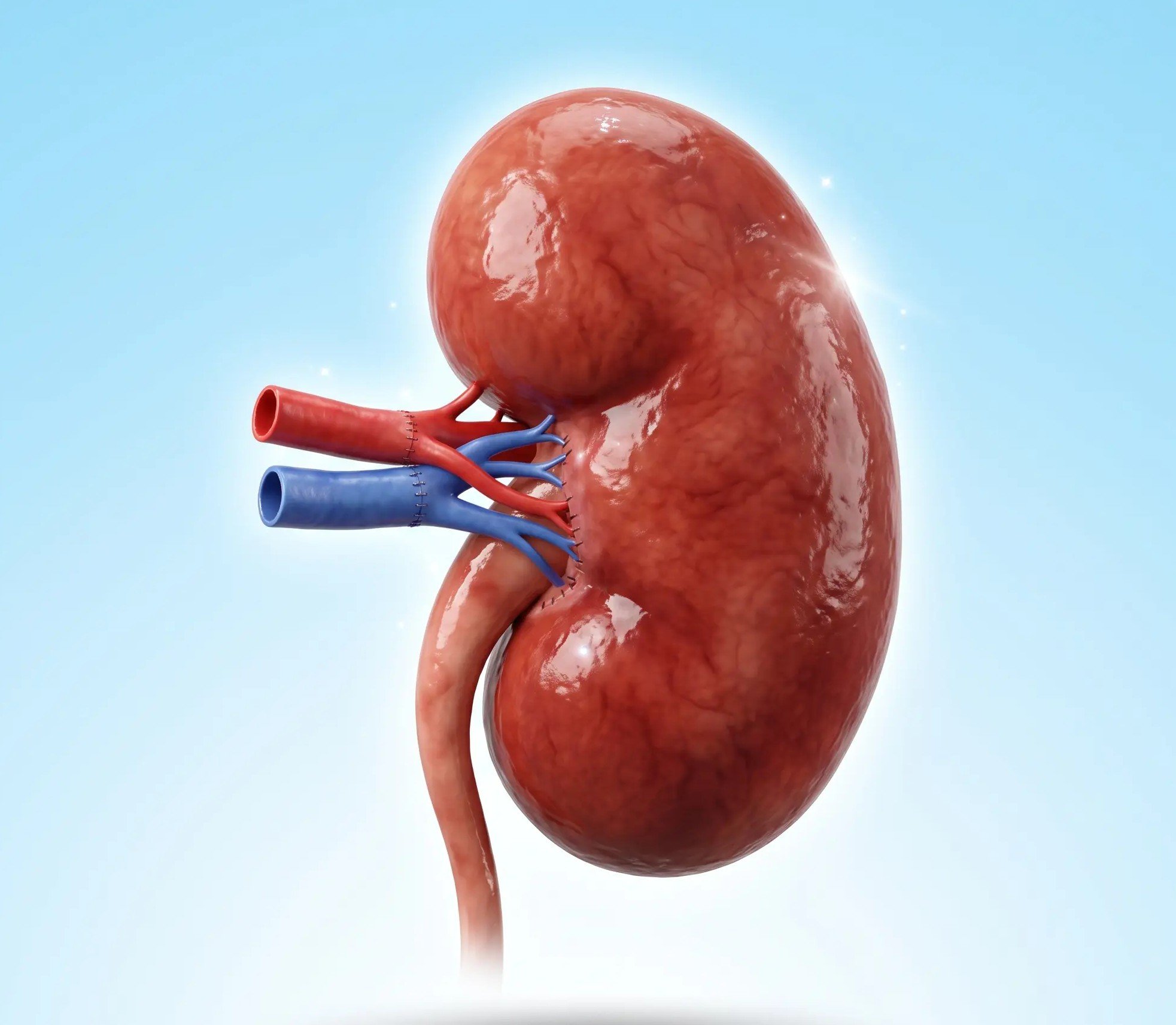
Kidney Transplant

Kidney transplant focuses on replacing a non-functioning kidney with a healthy donor kidney to help restore kidney function. Our approach combines thorough medical evaluation, transplant care, and ongoing monitoring to support recovery and long-term kidney health.
About Kidney Transplant
Kidney Transplant
A kidney transplant is a surgical procedure in which a healthy kidney from a donor is placed into a patient whose kidneys are no longer functioning properly. It is a treatment option for people with advanced kidney failure and may help improve quality of life by restoring kidney function and reducing the need for dialysis.
At EthosMedi, the focus is on helping patients understand kidney transplant options and the care involved throughout the treatment journey. The suitability for transplantation depends on the patient's overall health, kidney condition, donor compatibility, and medical evaluation.
When Is a Kidney Transplant Needed?
A kidney transplant may be considered for patients with advanced or end-stage kidney disease when their kidneys can no longer filter waste and excess fluid effectively. The decision depends on individual medical needs and whether transplantation is an appropriate treatment option.
Types of Kidney Transplants
Living Donor Transplant: A healthy, medically suitable living donor provides a kidney for transplantation.
Deceased Donor Transplant: A kidney is donated by someone who has died and is allocated to a suitable recipient according to the applicable transplant process.
Evaluation and Recovery
Before transplantation, patients undergo blood tests, imaging, donor compatibility assessments, and other medical investigations to determine their suitability. After surgery, recovery involves regular monitoring, follow-up visits, and prescribed medicines to help prevent rejection of the transplanted kidney. Patients generally need to take anti-rejection medication for as long as the transplanted kidney continues to function.
Long-Term Care After Kidney Transplant
Regular medical check-ups, taking medicines as prescribed, following dietary guidance, and protecting against infections are important for maintaining the health of the transplanted kidney. Ongoing care helps the transplant team monitor kidney function and identify potential complications early.
Frequently Asked Questions
After a kidney transplant, patients need regular medical check-ups, prescribed anti-rejection medicines, and precautions to reduce the risk of infection. Following the transplant team's advice is essential for long-term kidney health.