
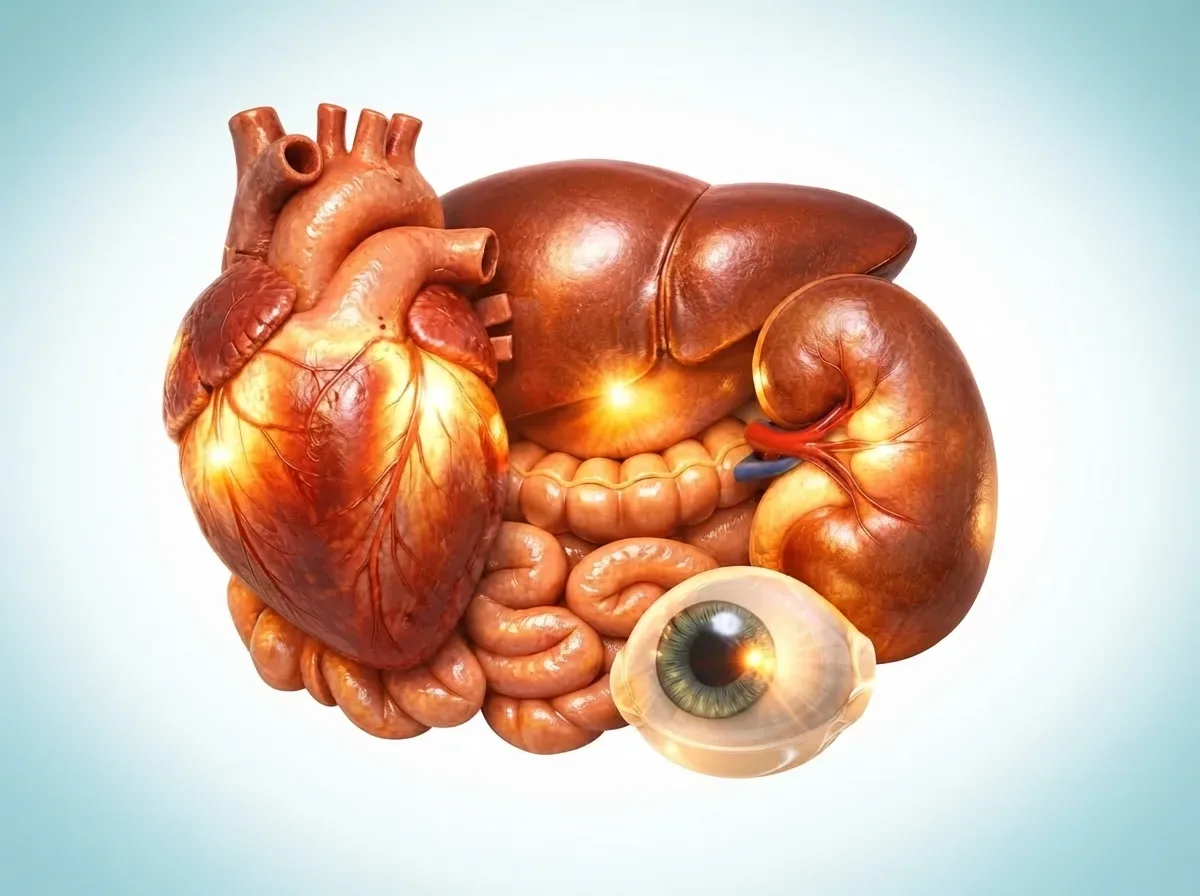
Transplant

Organ transplant focuses on the replacement of failing organs with healthy donor tissues to restore vital bodily functions. Our approach combines careful clinical evaluation, advanced surgical expertise, and comprehensive post-operative care to support long-term recovery and a better quality of life.
About Transplant
Comprehensive Organ Transplant Care
A New Lease of Life
Organ failure can significantly impact a person's quality of life, comfort, and long-term survival. When medical management and supportive treatments are no longer enough, an organ transplant offers a definitive, life-saving solution.
At EthosMedi, our approach to transplant care focuses on understanding individual patient needs, connecting families with world-class transplant centers, and supporting patients through every step of their medical journey—from initial evaluation and donor matching to successful surgery and long-term post-operative recovery.
Types of Transplants We Facilitate
Organ transplantation requires highly specialized surgical expertise, advanced infrastructure, and meticulous post-operative care. We help coordinate care for a wide range of organ transplants
Kidney Transplant : A life-saving treatment for end-stage renal disease (ESRD), offering freedom from lifelong dialysis. Both living-donor and deceased-donor transplants are supported.
Liver Transplant : Essential for acute liver failure, chronic cirrhosis, and end-stage liver disease, helping restore vital metabolic functions.
Heart Transplant : Recommended for advanced, end-stage heart failure where other surgical and medical interventions are no longer effective.
Bone Marrow / Stem Cell Transplant : Replaces damaged blood-forming cells to treat severe blood cancers, inherited blood disorders, and immune deficiencies.
Lung Transplant : Offers renewed respiratory function for patients with advanced chronic obstructive pulmonary disease (COPD), pulmonary fibrosis, and other severe lung disorders.
The Comprehensive Transplant Journey
Navigating an organ transplant can feel overwhelming for patients and their families. A structured, clinical pathway ensures safety, transparency, and the best possible outcomes
Initial Evaluation & Workup : Detailed clinical assessments, blood tests, imaging, and organ function evaluations to determine transplant eligibility.
Donor Matching : For living donors, comprehensive health screenings are performed to ensure safety. For deceased donor programs, patients are registered on appropriate waiting lists based on clinical priority.
Pre-Transplant Preparation : Optimizing the patient’s overall health, managing symptoms, and preparing the body for the surgical procedure.
The Transplant Procedure : Performed by experienced surgical teams in advanced, sterile operating theatres equipped with state-of-the-art life support systems.
Immediate Post-Operative Care : Close monitoring in specialized transplant intensive care units (ICUs) to manage recovery, prevent rejection, and ensure proper organ function.
Long-Term Rehabilitation & Follow-Up : Lifelong medical guidance, regular check-ups, and precise immunosuppressive medication management to protect the new organ.
Understanding Transplant Rejection and Safety
The human body's immune system naturally protects itself by attacking foreign tissues. To ensure the new organ thrives, advanced medical protocols are implemented:
HLA and Blood Group Typing : Minimizes the risk of immune incompatibility between the donor and recipient.
Immunosuppressive Therapy : Advanced medications are prescribed to safely suppress immune responses and prevent organ rejection.
Infection Prevention : Strict protocols, including isolation wards and modern preventive medicines, shield patients during their vulnerable recovery phase.
Why Choose India for Organ Transplants?
India has emerged as a global leader in organ transplantation, recognized for exceptional clinical expertise and infrastructure:
World-Class Success Rates : Transplant units equipped with cutting-edge technology and decades of surgical experience.
Experienced Multi-Disciplinary Teams : Renowned surgeons, physicians, and specialized nursing staff working in unison.
JCI- and NABH-Accredited Facilities : International standards of hygiene, safety, and patient care, including advanced HEPA-filtered isolation rooms.
Cost-Effective Care : High-quality treatments available at a fraction of the cost compared to Western nations.
Transparent and Rapid Scheduling : Streamlined ethical frameworks and minimal waiting lists for living-donor procedures.
A Patient-Centred Approach to Transplant Care
From a clinical perspective, successful transplant care begins with clear communication and empathetic listening. Patients and families need absolute clarity regarding every phase of treatment.
Our objective is to help patients understand:
What their specific diagnosis and transplant eligibility mean
What medical investigations and fitness clearances are required
How donor matching and evaluation processes work
What to expect during surgery and hospital recovery
What long-term medications and lifestyle changes are necessary
The goal is not just to replace a failing organ, but to guide each patient toward a healthy, active, and confident future.
Advanced Transplant Care, Coordinated Around You
Accessing organ transplant services can often become complicated when coordinating across multiple specialists, laboratories, and hospitals. EthosMedi simplifies this journey by bringing specialist access, treatment coordination, and dedicated patient support into one streamlined platform.
Whether you are seeking initial guidance for a kidney, liver, heart, lung, or bone marrow transplant, the focus remains on connecting you with appropriate medical expertise and helping you navigate your next steps with clarity and confidence.
Sub-Specialties under Transplant
Top Hospitals for Transplant
Frequently Asked Questions
Recovery time varies depending on the type of organ transplanted and the patient's overall health. Generally, initial hospital stays range from 1 to 3 weeks, while full physical recovery and return to a normal routine can take anywhere from 3 to 6 months.
Donor matching involves rigorous blood group testing, tissue typing (HLA matching), and clinical evaluations to ensure high compatibility and minimize the risk of organ rejection.
Transplant recipients need to take immunosuppressive medications (anti-rejection drugs) for the lifespan of the transplanted organ to prevent the body's immune system from attacking it. Regular follow-ups and precise dosage monitoring are essential.