
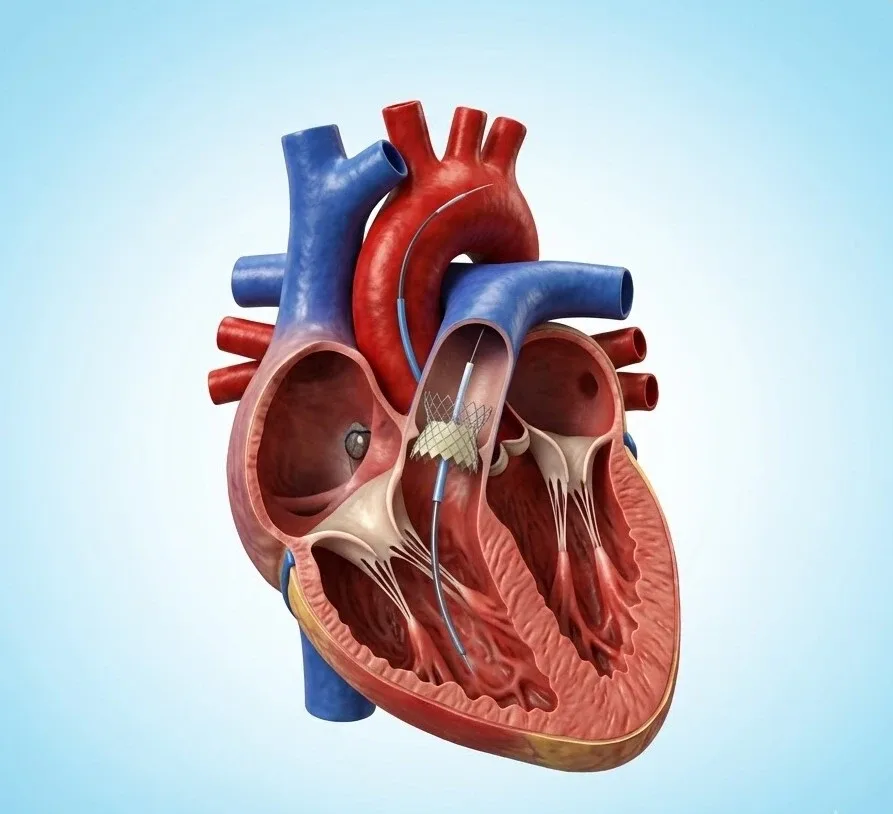
Structural Heart Procedures
Structural heart procedures focus on treating conditions that affect the heart's valves, chambers, and walls. These conditions can interfere with normal blood flow and the heart's ability to function properly. Depending on the diagnosis, treatment may involve minimally invasive catheter-based procedures or surgery to repair or replace damaged structures.
At EthosMedi, the focus is on understanding each patient's heart condition and identifying suitable treatment options based on detailed evaluation. The treatment approach depends on the severity of the condition, the patient's overall health, and the expected benefits and risks of each procedure.
Conditions Treated with Structural Heart Procedures
Structural heart procedures may be considered for a range of conditions, including:
Heart Valve Diseases : Treatment for valves that become narrowed or fail to close properly, affecting normal blood flow.
Congenital Heart Defects : Selected structural defects, such as atrial septal defects (ASD), may be treated using catheter-based techniques.
Aortic Valve Disease : Procedures such as transcatheter aortic valve replacement (TAVR/TAVI) may be suitable for selected patients.
Mitral Valve Disorders : Certain mitral valve conditions may be managed through specialised repair procedures.
Other Structural Abnormalities : Treatment options are determined according to the type and severity of the abnormality.
Evaluation and Recovery
Before recommending a procedure, the cardiology team may use echocardiography and other cardiac imaging tests to assess the heart's structure and function. The treatment plan is tailored to the patient's needs, and recovery depends on the procedure performed and the individual's medical condition. Follow-up appointments and prescribed medication may be important parts of ongoing care.
At EthosMedi, patients can learn about structural heart conditions and available treatment approaches to make informed decisions in consultation with their cardiac specialist.