
Coronary Angiography (CAG)

Coronary angiography focuses on examining the arteries that supply blood to the heart to identify blockages or narrowing. Our approach combines advanced cardiac imaging and careful clinical evaluation to support accurate diagnosis and guide appropriate treatment for better heart health.
About Coronary Angiography (CAG)
Coronary Angiography (CAG)
Clear answers, accurate diagnosis, and personalized cardiac guidance at EthosMedi.
When unexplained chest heaviness, sudden breathlessness, or inconclusive test results raise concerns about your heart, guesswork has no place in your care. You need definitive, visual facts about what is happening inside your arteries.
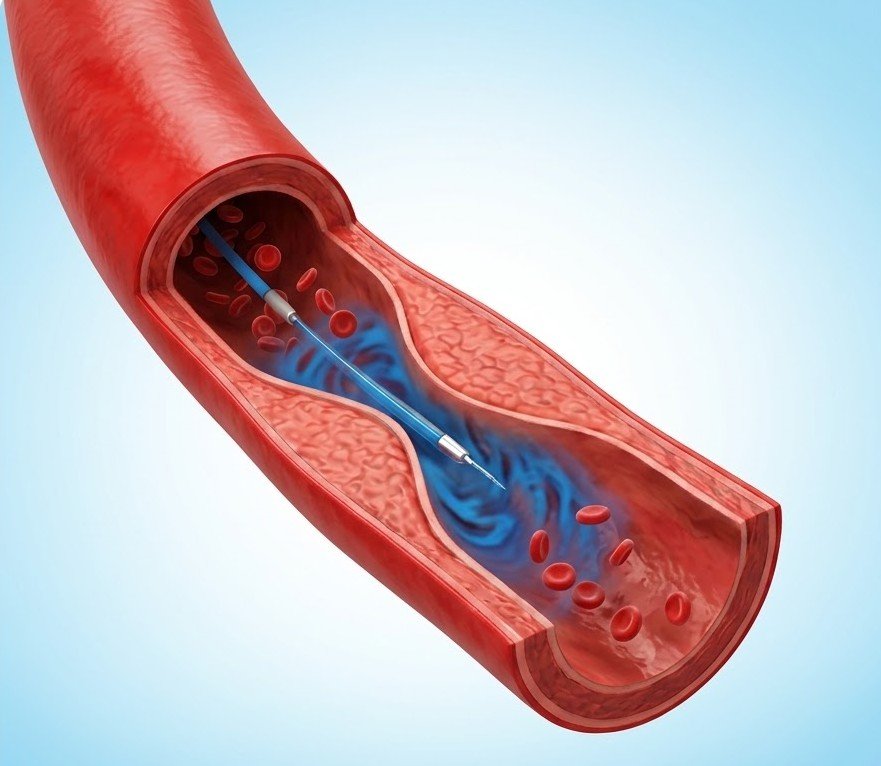
Coronary Angiography (CAG) is the gold standard diagnostic procedure used to evaluate blood circulation to the heart muscle. Using low-dose fluoroscopic X-ray imaging and a specialized contrast dye, this minimally invasive test creates an exact visual map of your coronary arteries, identifying the precise location, severity, and percentage of any plaque buildup or narrowing.
When Is Coronary Angiography Recommended?
A cardiologist typically advises an angiogram when clinical signs or preliminary investigations suggest that the heart muscle is not receiving sufficient oxygen-rich blood. Key indications include :
Persistent Chest Discomfort (Angina): Tightness, pressure, or burning sensations radiating to the neck, jaw, shoulders, or left arm that do not settle with routine medication.
Unexplained Exertional Breathlessness: Struggling for breath or experiencing sudden, extreme fatigue during ordinary daily activities like walking or climbing stairs.
Abnormal Non-Invasive Cardiac Tests: Borderline or positive findings on an ECG, 2D Echocardiogram, Treadmill Stress Test (TMT), or CT coronary angiogram that require direct visual confirmation.
Suspected Acute Coronary Syndrome: Emergency evaluation during or immediately after a suspected heart attack to locate the culprit blockage and guide rapid intervention.
Pre-Surgical Clearance: Assessing arterial health before major heart valve repair or high-risk non-cardiac surgeries in patients with cardiac risk factors.
What to Expect During the Procedure
Understanding the process step-by-step removes unnecessary anxiety:
Gentle Preparation: You remain awake and alert throughout. Before the procedure, your kidney function (serum creatinine) is verified to ensure the contrast dye can be cleared safely, and a small IV line is placed for fluids.
Comfortable Access (Wrist Approach): The procedure is performed under local anesthesia. The doctor numbs a small area—most commonly the radial artery at the wrist—which causes far less discomfort and allows much faster mobility than traditional groin punctures.
Live X-Ray Mapping: A very thin, flexible tube (catheter) is gently guided through the blood vessels to the entrance of the coronary arteries. A small amount of contrast dye is introduced, and live digital X-ray cameras capture your blood flow from multiple angles. You may feel a warm sensation for a few seconds as the dye enters, which is completely normal and passes quickly.
Duration: The diagnostic scan usually takes only 15 to 20 minutes in the Cath Lab under constant vital monitoring.
Recovery and Aftercare
Immediate Mobility: Once the catheter is removed, a specialized compression band is placed over the puncture site to ensure safe healing. Patients evaluated through the wrist can usually sit up, drink fluids, and eat a light meal within an hour.
Day-Care Discharge: For planned elective angiograms, hospital observation typically lasts between 4 and 6 hours. Once the access site is verified secure, most patients are safely discharged to rest at home the same day.
Natural Dye Elimination: Drinking plenty of water over the next 24 hours accelerates the natural filtration and excretion of the contrast dye through your kidneys.
Collaborative Treatment Planning: If a significant blockage is detected, our cardiology team reviews the live visuals directly with you and your family. Depending on the findings, next steps are discussed with complete transparency—whether that means targeted medical management, coronary angioplasty with stenting, or surgical referral.
At EthosMedi, we guide you through every stage of your cardiac journey, providing clear insights so you can make confident, informed decisions about your health.
Frequently Asked Questions
It may be recommended to investigate chest pain, suspected coronary artery disease, abnormal cardiac test results, or a possible heart attack.
It is a commonly performed procedure, but potential risks include bleeding, blood vessel injury, allergic reactions to contrast dye, and kidney complications. Your cardiologist will assess your health and explain the risks before the procedure.
Keep the catheter insertion site clean and follow your doctor's instructions about activity, wound care, and medication. Seek prompt medical attention for significant bleeding, increasing swelling, chest pain, or worsening symptoms.